
How to Tell If Your Roof Has Hail Damage: A Full Inspection Guide
Before we get into details: KO Roofing & Storm Repair’s owner spent years working as an insurance adjuster before starting this company, which means our inspections are done the same way an adjuster looks at a roof — not just “is there damage,” but “will this hold up to a claim.” That background is exactly why we built our own inspection process (and our upcoming inspection app) around documenting hail damage the way an insurance company actually evaluates it.
How to Tell If Your Roof Has Hail Damage
Hail damage on asphalt shingles is easy to miss from the ground — there’s rarely a hole or an obviously broken shingle. What you’re actually looking for, up close, is:
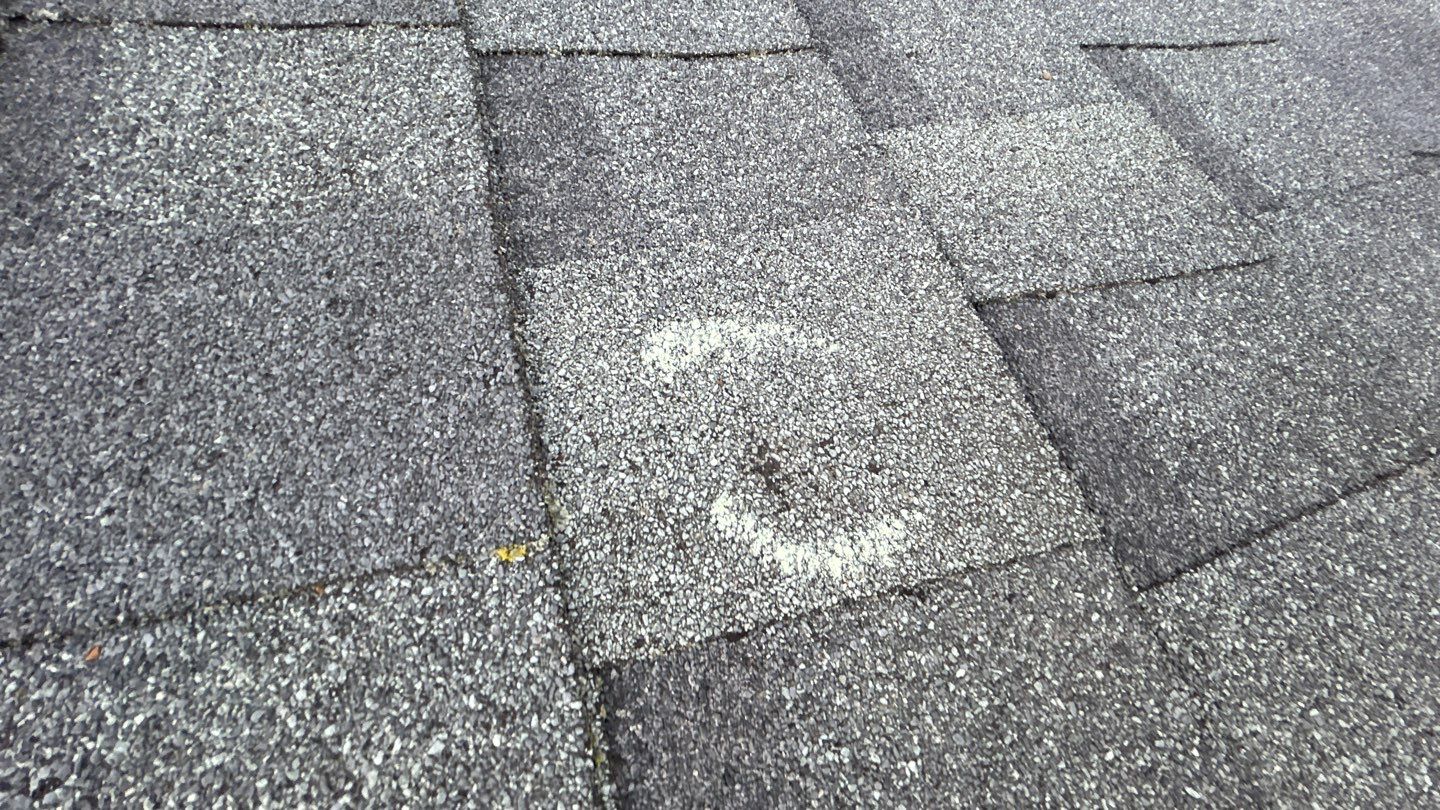
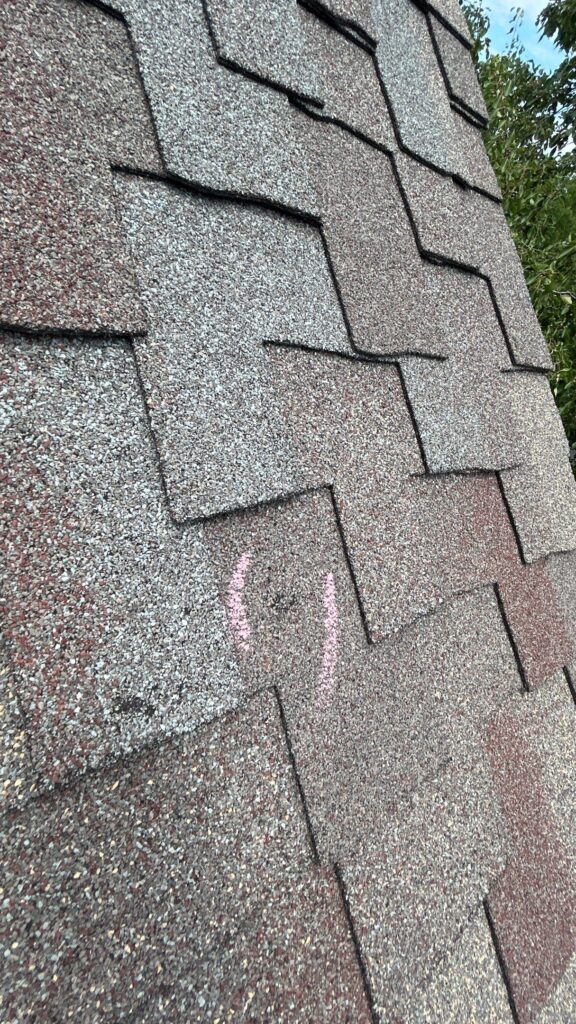
- Circular bruises where the granule surface has been knocked loose or driven into the shingle mat, often lighter in color than the surrounding shingle (like the photo above).
- Random spacing and orientation — hail hits scatter across a roof and across shingle courses; wear patterns from foot traffic or age tend to look more uniform.
- Soft spots when you press gently on a suspected hit, since the impact can crack the mat underneath even when the surface still looks mostly intact.
- Granule loss in gutters and downspouts after a storm — loose granules washing off is often the first visible sign, even before you get on the roof.
- Damage on soft metals nearby — dented gutters, dented vent caps, or dinged AC fins are a strong sign hail was large enough to also affect the roof, even if the shingles look okay from a distance.
Shingle Damage Assessment: What We Actually Look For
A proper shingle damage assessment isn’t a quick look from the driveway. We walk the full roof, check every slope (hail direction means one side of a roof is often hit much harder than another), and document each hit with photos and measurements — the same standard an insurance adjuster uses to evaluate a claim. That documentation matters: it’s the difference between a claim that gets approved and one that gets questioned.
Storm Damage Beyond the Roof: Siding and Gutters
Hail and wind rarely damage just the roof. If your roof was hit, it’s worth having your siding and gutters checked in the same inspection:
- Storm damage siding repair: look for cracked, chipped, or dented vinyl or fiber cement panels, especially on the side of the house facing the storm.
- Storm damage gutter repair: dents, cracks, or pulled-away sections are common, and damaged gutters that aren’t caught early can lead to water damage at the roofline.
A free KO Roofing & Storm Repair inspection covers all three — roof, siding, and gutters — in Papillion, Plattsmouth, Springfield, Bellevue, Glenwood, and Murray.
What to Look for Before and After This Weekend’s Storm: How to Spot Real Hail Damage on Your Roof and Exterior
If severe weather is in the forecast this weekend, many homeowners in Papillion, Bellevue, Plattsmouth, Springfield, and the surrounding eastern Nebraska area are asking the same question: what should I be looking for if my home gets hit by hail or high winds?
The truth is, storm damage is not always obvious from the ground. A roof can have legitimate hail damage even if there is no active leak and no shingles visibly missing from the driveway. The same goes for siding, gutters, window screens, soft metals, and painted surfaces. That is why a proper inspection matters.
After a storm, scheduling a Hail Damage Roof Inspection is crucial for identifying any hidden damage that could lead to bigger issues down the road.
At KO Roofing & Storm Repair, we believe homeowners should know what real storm damage looks like and what a thorough inspection should show at the end. The more informed you are, the better decisions you can make about repairs, insurance claims, and protecting your home.
Understanding the importance of a Hail Damage Roof Inspection can save homeowners from costly repairs and ensure safety after a storm. A thorough Hail Damage Roof Inspection should be a priority for every homeowner, especially after severe weather events.
Why Hail Damage Is Easy to Miss After a Storm
One of the biggest mistakes homeowners make after a storm is assuming everything is fine because they do not see obvious damage from the ground.
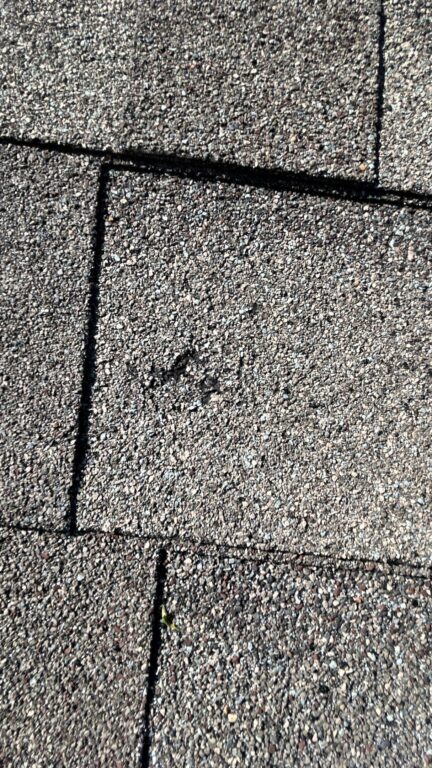
Hail damage often shows up in ways that are subtle at first. On asphalt shingles, hail can displace granules, bruise the mat, fracture the shingle surface, or weaken the roof system over time. Those signs are not always easy to spot unless the roof is inspected closely by someone who knows what to look for.
The same is true for siding and other exterior surfaces. A home can have real storm-related damage without dramatic destruction.
That is why it is important to know what damage looks like — and why a good inspection should include more than just a quick glance at the roof
What Real Hail Damage Looks Like on a Roof: A Comprehensive Hail Damage Roof Inspection Guide
On asphalt shingles, real hail damage may include:
- circular or random impact marks
- areas where granules have been knocked away
- dark spots where the asphalt layer is more exposed
- soft bruising in the shingle mat
- damage patterns that are consistent with storm direction
- multiple functional hits within a test square
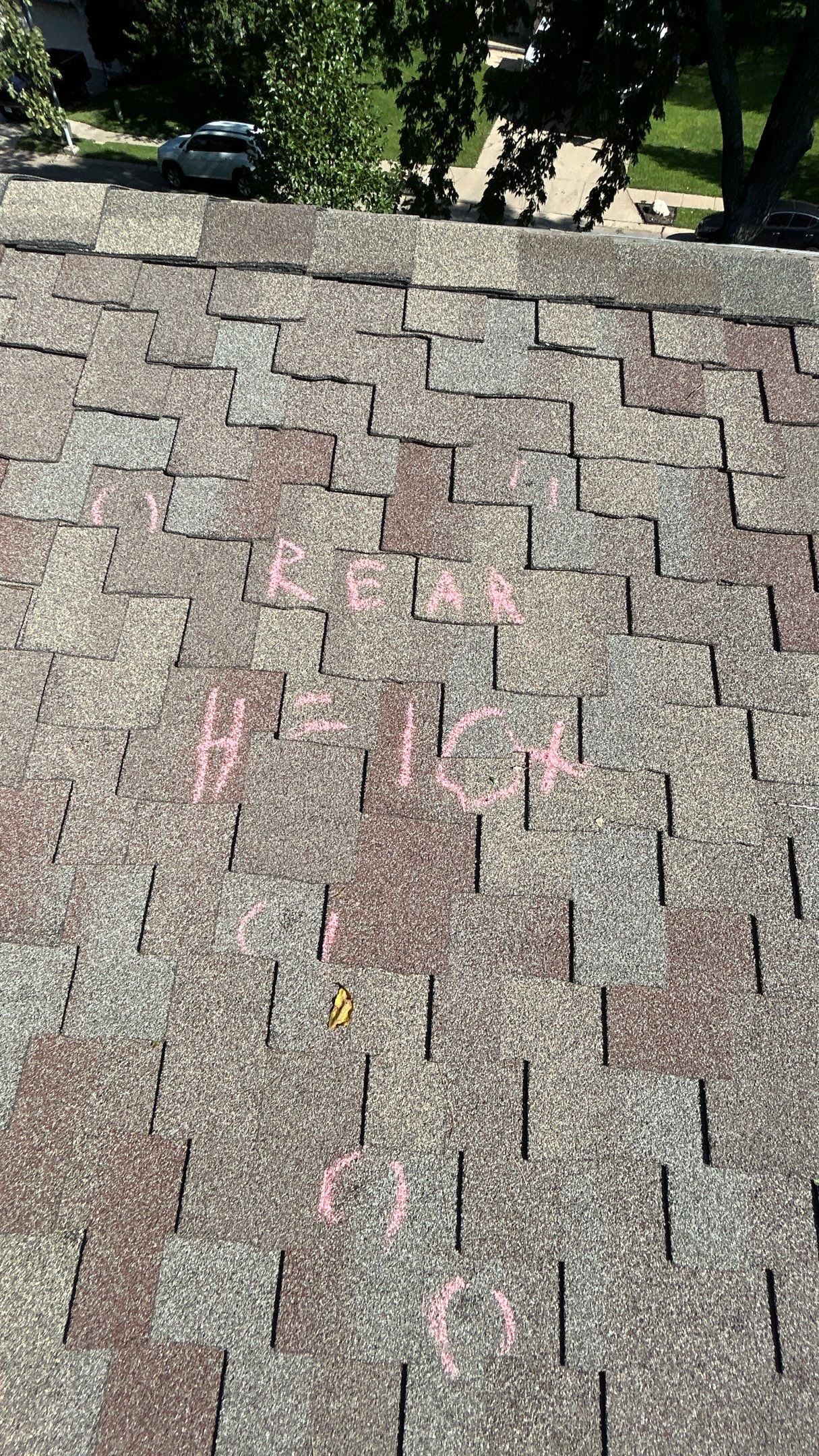
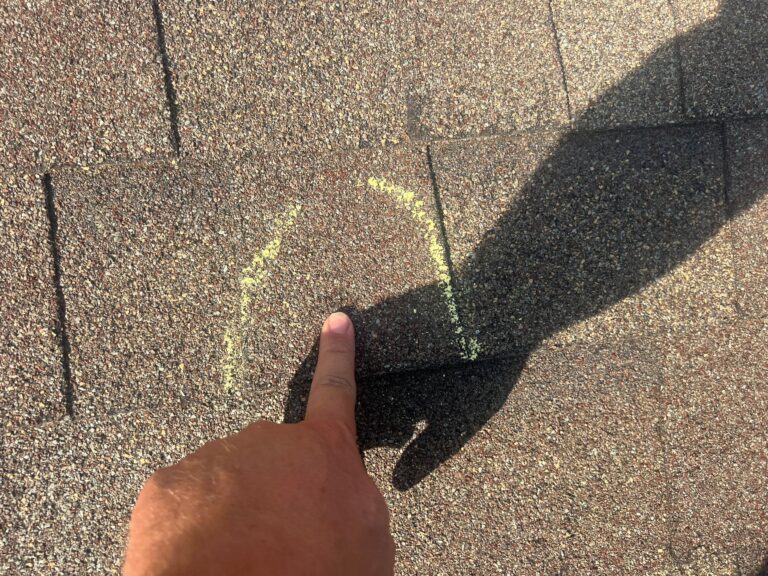
In many cases, a contractor or adjuster will mark hail hits with chalk to document the pattern and concentration of damage.
A common benchmark many carriers and field adjusters look at is approximately 8 functional hail hits within a 10′ x 10′ test area, although every carrier, shingle type, slope, and claim situation can be different. The size of the hail, the direction of the storm, collateral damage, and the repairability of the roof all matter.
The key point for homeowners is this: not every mark is hail, but real hail damage usually leaves a pattern that a trained inspector can identify and document.
What a Roof Test Area Can Tell You
When a roof is being inspected for hail damage, one of the most important steps is identifying and documenting test areas.
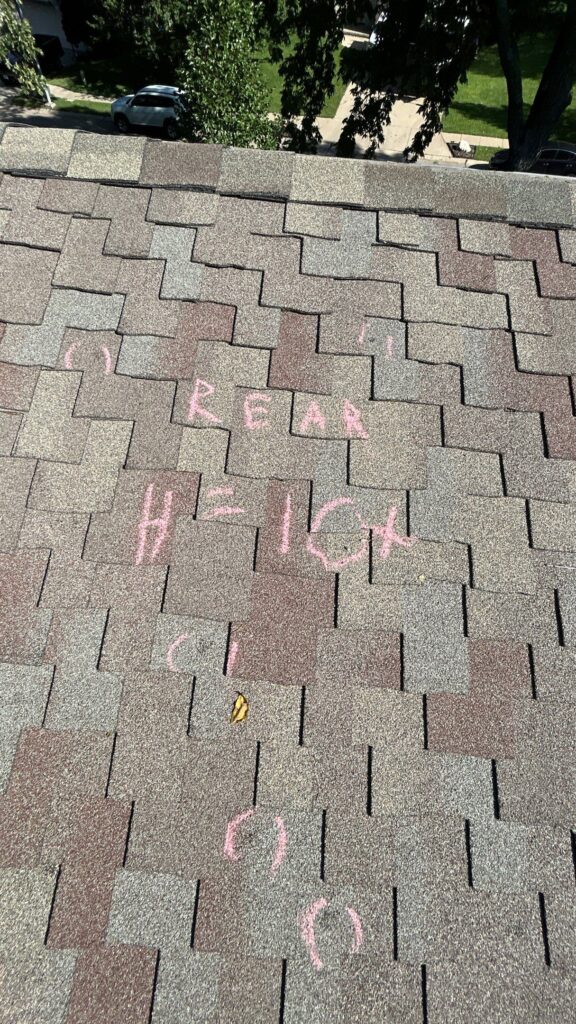
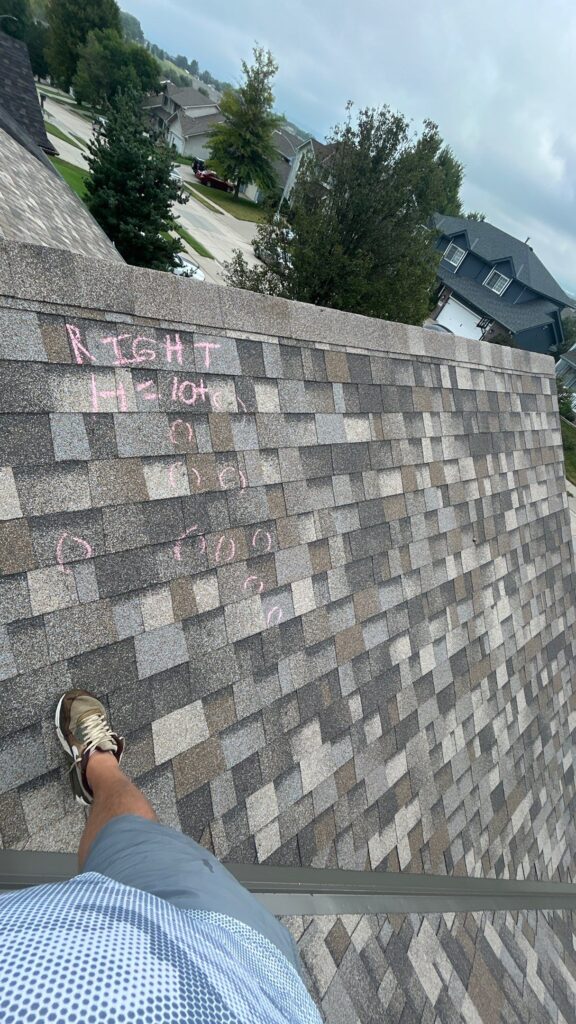
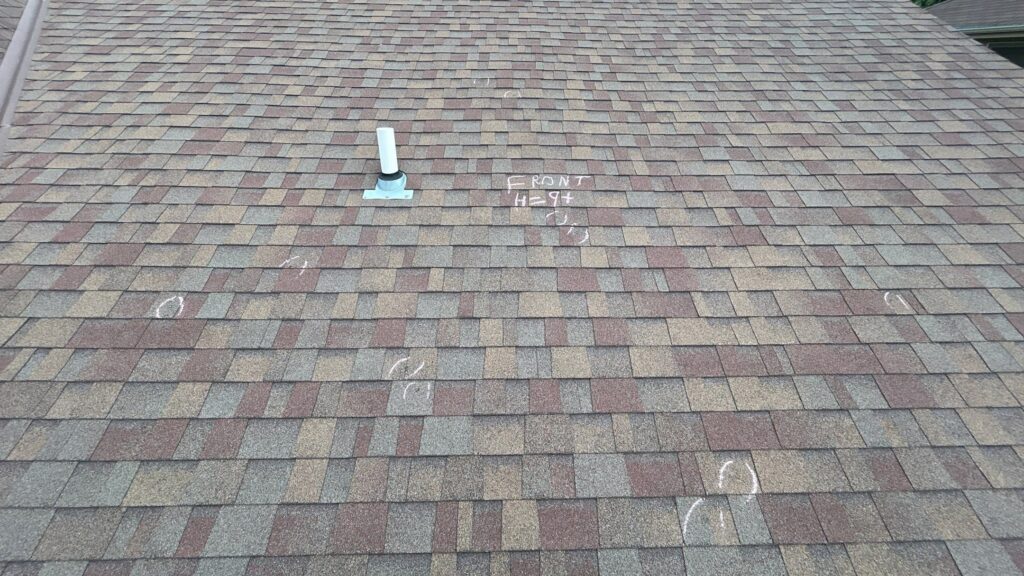
These are typically measured sections of a roof slope where the inspector looks for functional hail hits and marks them clearly. This helps show whether the damage is isolated or whether there is enough density across the slope to support a claim.
This is where homeowners often hear phrases like “10 hits on the rear,” “9 hits on the front,” or “10+ hits on the right slope.” Those notes help explain the overall pattern of storm damage and whether it is consistent across multiple elevations of the home.
A full inspection should not just say “hail damage present.” It should show where the damage was found, how it was documented, and whether the roof appears repairable or more likely to require replacement.
Soft Metals Are Often Damaged First
One of the best indicators of a real hail event is damage to soft metals.
Soft metal components often show impact damage before homeowners ever notice issues on the shingles themselves. These may include:
- box vents
- turbine vents
- gutter tops
- gutter guards
- downspouts
- flashing
- window wraps
- metal trim
- AC fins
- other light-gauge metal surfaces
This is a very important part of a proper storm inspection. If hail was large enough to damage roofing materials, there is often supporting collateral damage elsewhere on the property.
That is one reason a contractor should never inspect a roof in isolation.
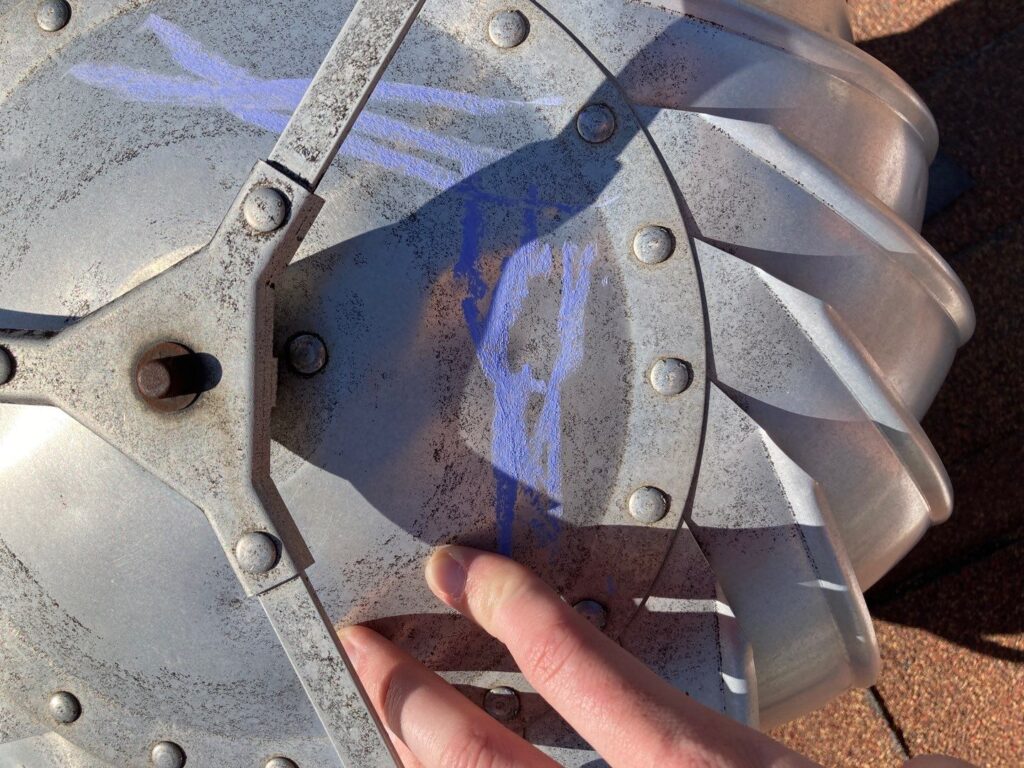
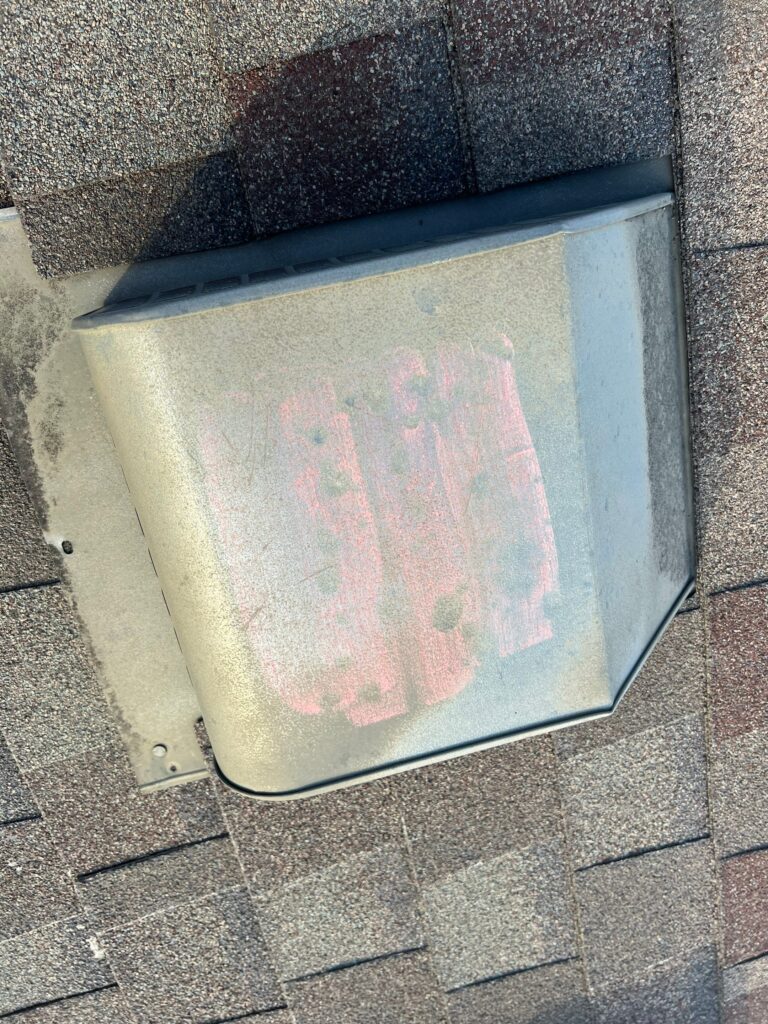
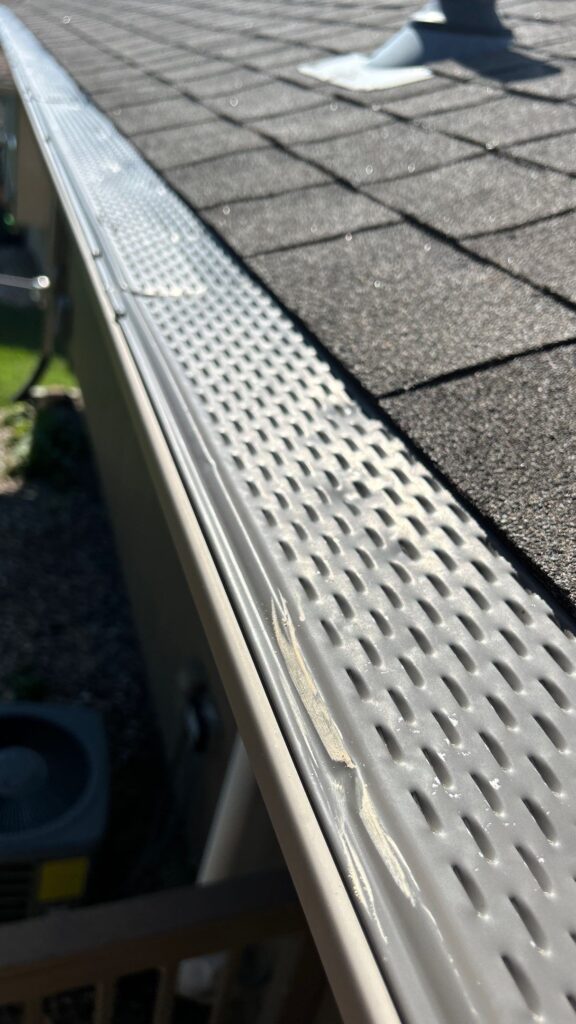
Hail Damage Can Show Up on Siding, Trim, and Screens Too
A lot of homeowners focus only on the roof after a storm, but hail and wind can affect much more than shingles.
Depending on the direction of the storm and the size of the hail, you may also see damage to:
- siding
- painted trim
- fascia and wraps
- window screens
- downspouts
- exterior window framing
- garage door surfaces
- other exposed elevations of the home
This collateral damage is important because it helps tell the story of the storm. It also gives the homeowner a much clearer picture of the full scope of damage.
If a roof has functional hail hits and the siding or trim elevations facing the storm show impact damage too, that can strengthen the overall documentation.
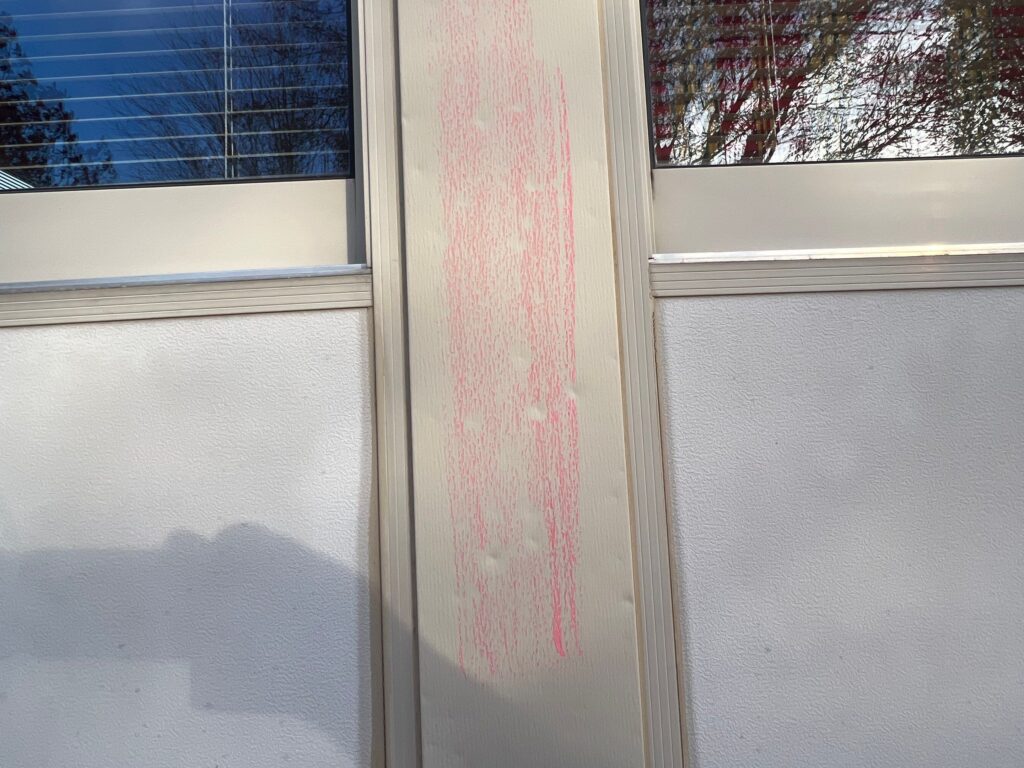
What a Proper Storm Inspection Should Include
A real storm damage inspection should be thorough and organized. At the end of the inspection, a homeowner should walk away with a clear understanding of what was found.
A proper inspection should include:
1. Roof slope-by-slope evaluation
Each slope should be reviewed individually, not just one area of the roof.
2. Test area documentation
If hail damage is present, the contractor should identify where it was found and how many functional hits were documented in the test area.
3. Collateral damage review
Soft metals, siding, trim, screens, gutters, and other exterior components should be checked.
4. Storm direction analysis
A good inspection should consider where the damage is heaviest and how the storm likely hit the home.
5. Shingle type and repairability
The contractor should understand what type of roof is installed and whether the damaged shingles are realistically repairable.
6. Photo documentation
A homeowner should receive clear photo evidence showing what the contractor found.
7. Honest next-step recommendations
The conclusion should explain whether the damage appears minor, repairable, or significant enough to justify considering an insurance claim.
That is the difference between a real inspection and a sales pitch.
What Homeowners Should Look for After This Weekend’s Storm
If your area gets hit this weekend, here are some of the most important signs to look for:
- dents or marks on box vents, turbine vents, or other soft metals
- fresh impacts on gutters or downspouts
- damage to screens, window wraps, or trim
- visible marks on siding or painted surfaces
- granule loss or bruising on shingles
- scattered impact marks across multiple roof slopes
- debris, lifted shingles, or wind-related edge damage
Even if you are not comfortable getting on the roof yourself, you can still walk the property and look for collateral damage at ground level.
If soft metals and exterior surfaces are showing fresh impacts, it is a good sign the home should receive a professional inspection.
Why Working With the Right Contractor Matters
Not every contractor inspects storm damage the same way.
Some only look for enough to sell a roof. Others do not properly document slope counts, collateral damage, or repairability issues. That can leave homeowners confused, frustrated, and unprepared when they talk with their insurance carrier.
A knowledgeable contractor should help you understand:
- whether damage is actually present; Impact resistant shingle like a Malarkey Roofing Product Shingle hold up better than a normal shingle.
- what the roof test areas show
- what collateral damage supports the findings
- whether the roof may be repairable
- what the next step should be if you choose to file a claim
At KO Roofing & Storm Repair, we believe homeowners deserve a complete inspection and a clear explanation of what we found — not pressure.
Final Thoughts
Heading into a weekend storm, the best thing homeowners can do is know what to look for and act quickly if they suspect damage.
Real hail damage is not always obvious from the ground. It often shows up first in soft metals, trim, siding, and marked test areas on the roof. A proper inspection should document the roof by slope, identify functional hits, note collateral damage, and give the homeowner a clear conclusion about the condition of the home.
If your home in Papillion, Bellevue, Plattsmouth, Springfield, or the surrounding eastern Nebraska area is hit by hail or wind, having a trained local contractor inspect the property can make all the difference.
Recent Article
Time To Do Your Homework

 10 minutes read
GO BIG RED!
Think Your Home May Have Storm Damage? Schedule a Professional Inspection
KO Roofing & Storm Repair provides professional roof, siding, and storm damage inspections for homeowners across eastern Nebraska. We document hail hits, collateral damage, and repairability so you can clearly understand the condition of your home and your next steps.
Schedule Your Storm Damage Inspection