Nebraska Storm Season and Hail Damage: How to Protect Your Home with the Right Roofing, Siding, and Local Contractor
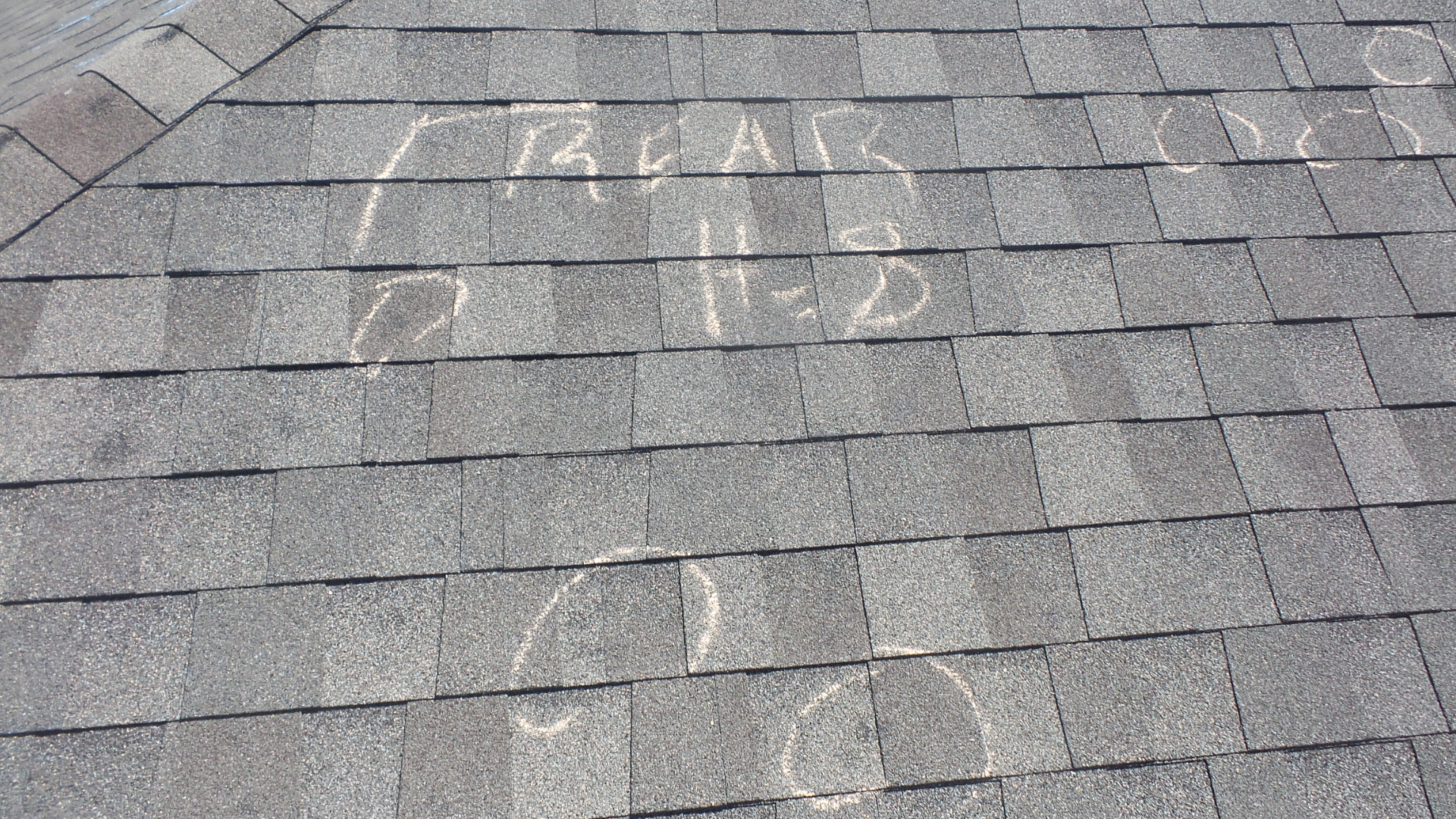
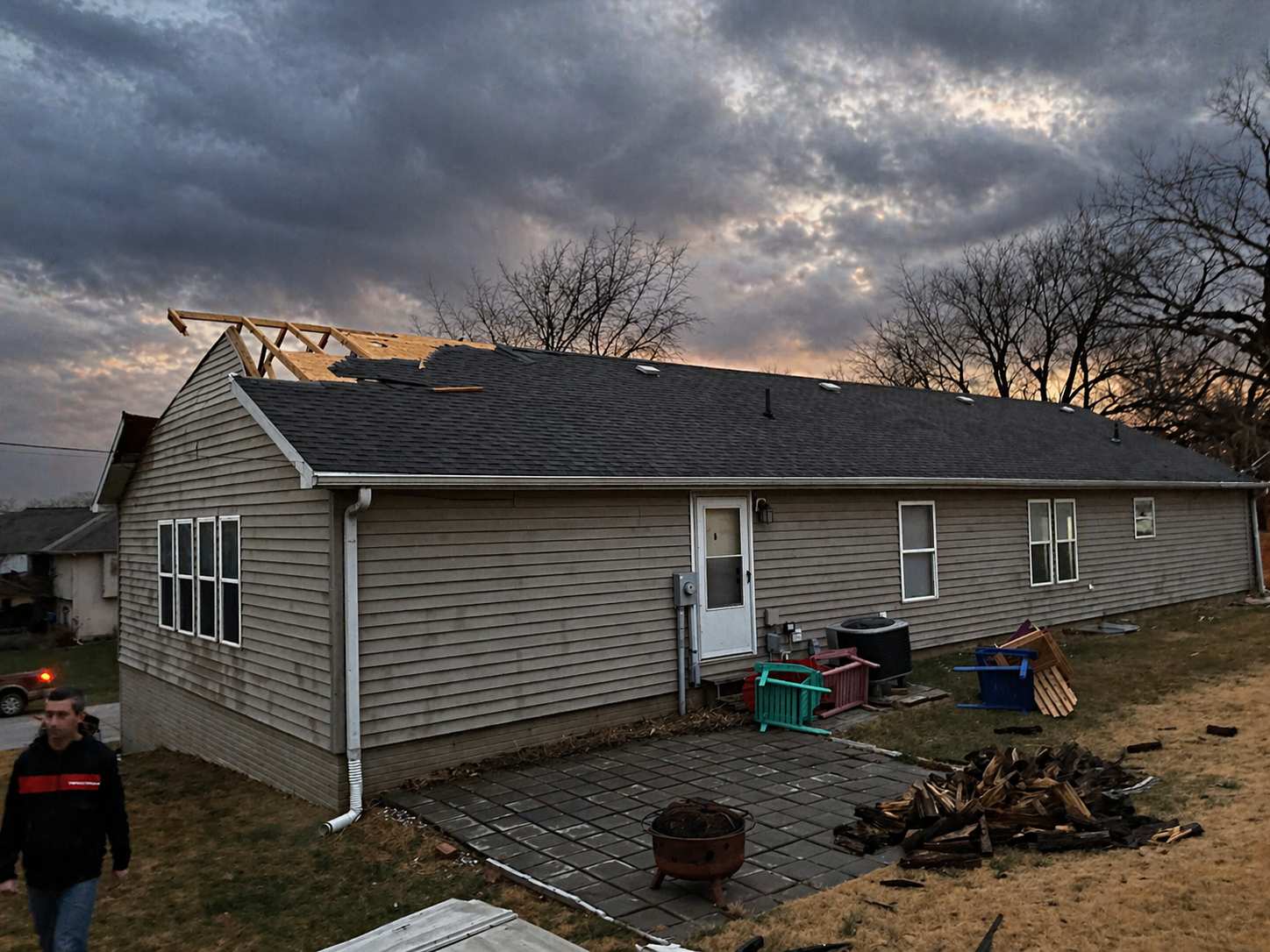
Nebraska storm season and hail damage are a major concern for homeowners across eastern Nebraska. From roofing and siding damage to insurance claim questions and product selection, understanding what storms can do to your home is the first step in protecting it. Nebraska homeowners know storm season is not something to take lightly. Across the Midwest, spring and summer often bring fast-moving thunderstorms, damaging winds, and hail that can leave roofs, siding, gutters, and windows compromised in a matter of minutes. In Nebraska especially, severe weather is a yearly reality, not a rare event. The National Weather Service defines a severe thunderstorm as one that produces hail at least 1 inch in diameter, winds of 58 mph or greater, or a tornado. Eastern Nebraska has seen repeated events involving large hail, damaging wind, and tornado activity, including major outbreaks and documented hail events that damaged large portions of communities.
Nebraska storm season and hail damage is a serious matter for homeowners. Understanding the implications of Nebraska storm season and hail damage is crucial for taking preventive measures.
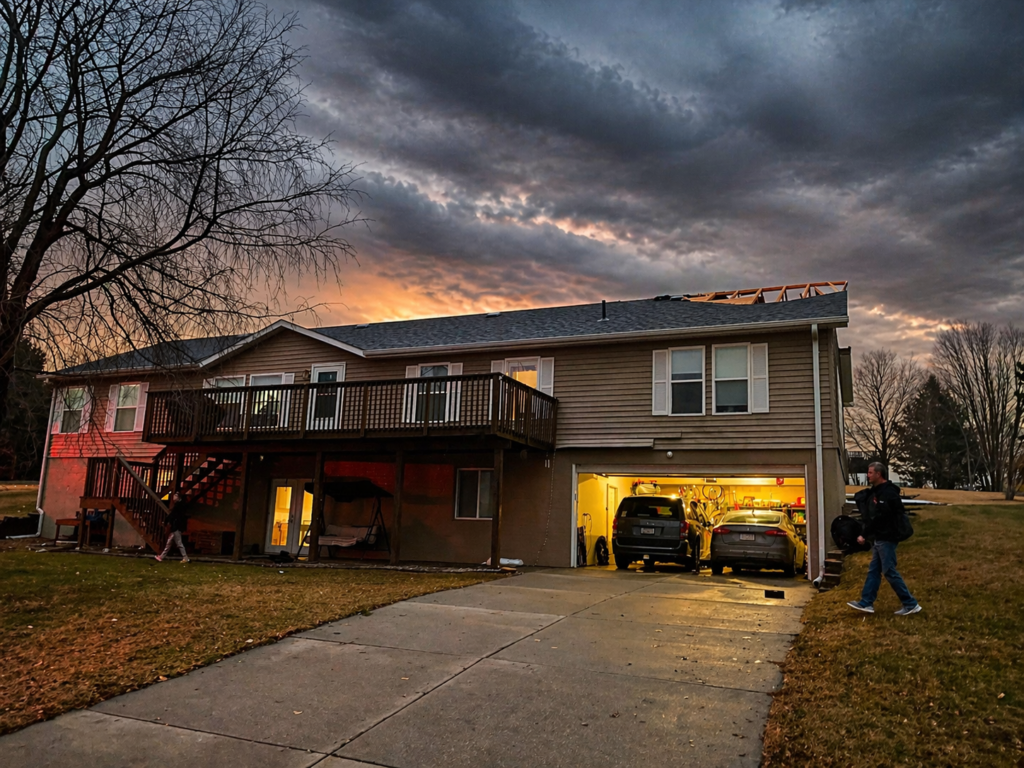
The effects of Nebraska storm season and hail damage can sometimes be hidden from view, leading to long-term issues. Understanding the statistics around Nebraska storm season and hail damage can inform better preparation.
Experts agree that awareness of Nebraska storm season and hail damage can reduce the risks faced by homeowners. Stay informed about Nebraska storm season and hail damage trends to better protect your property.
Understanding Nebraska storm season and hail damage can help you make informed decisions for your home. Be proactive about Nebraska storm season and hail damage to avoid costly repairs later. Addressing the effects of Nebraska storm season and hail damage early can save homeowners money over time.
For homeowners, that means storm damage is not just about what you can easily see from the ground. Hail can bruise shingles, loosen granules, crack siding, damage soft metals, and shorten the life of your exterior even when the home still looks “mostly fine” at first glance. In many cases, the damage becomes more obvious only after water intrusion, siding movement, staining, or accelerated aging begins to show up later. That is why understanding what hail does, choosing the right repair materials, and working with a reputable local contractor matters so much in Nebraska.
Investing in quality materials can mitigate the impacts of Nebraska storm season and hail damage. Homeowners should research solutions for Nebraska storm season and hail damage to enhance their property. Understanding Nebraska storm season and hail damage is essential to effective home maintenance. Many homeowners are starting to recognize the importance of Nebraska storm season and hail damage awareness. Be proactive about Nebraska storm season and hail damage to ensure long-lasting protection for your home.
Nebraska storm season and hail damage can be managed effectively with the right resources.
Why Nebraska Homes Take a Beating During Storm Season
Knowledge about Nebraska storm season and hail damage empowers homeowners to take action. Consider all aspects of Nebraska storm season and hail damage before making repairs. Investing in your home means taking Nebraska storm season and hail damage seriously.
Your choices regarding Nebraska storm season and hail damage now will pay off in the future.
Understanding Nebraska Storm Season and Hail Damage
Don’t ignore the signs of Nebraska storm season and hail damage that could indicate larger problems. A proactive approach to Nebraska storm season and hail damage can lead to better outcomes. Stay ahead of Nebraska storm season and hail damage with proper planning and maintenance. Awareness of Nebraska storm season and hail damage trends can help you stay prepared.
The Midwest is built for weather extremes, but that does not make homes immune to them. Nebraska sits in a region where warm, moisture-rich air can collide with unstable atmospheric conditions, creating ideal setups for severe thunderstorms during the spring and summer months. The National Weather Service and Storm Prediction Center routinely monitor Nebraska for hail, wind, and tornado risk during this season, and recent eastern Nebraska events have included large hail reports up to 3 inches.
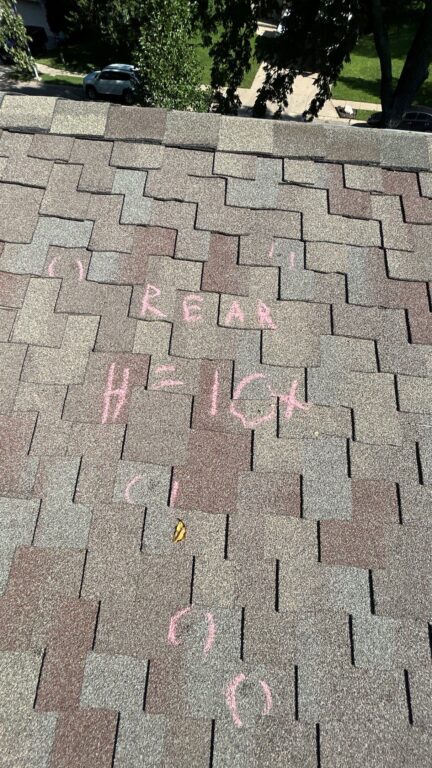
What makes hail especially frustrating is that it does not have to shatter something dramatically to cause legitimate damage. On roofing, hail can displace protective granules, fracture the mat, bruise the shingle, or weaken the seal and reduce long-term performance. On siding, it can crack panels, chip finishes, expose substrates, or create impact points that lead to later deterioration. The result is a home exterior that may no longer perform the way it was intended to, even if the damage is not obvious to an untrained eye.
Hail Damage to Roofing: What Homeowners Need to Know
Your roof is your home’s first line of defense, so it usually takes the brunt of a storm. When hail hits asphalt shingles, the damage is often cumulative. Even if every hailstone does not leave a dramatic mark, repeated impacts can wear away the surface protection that helps shingles resist UV exposure, shed water, and hold up over time.
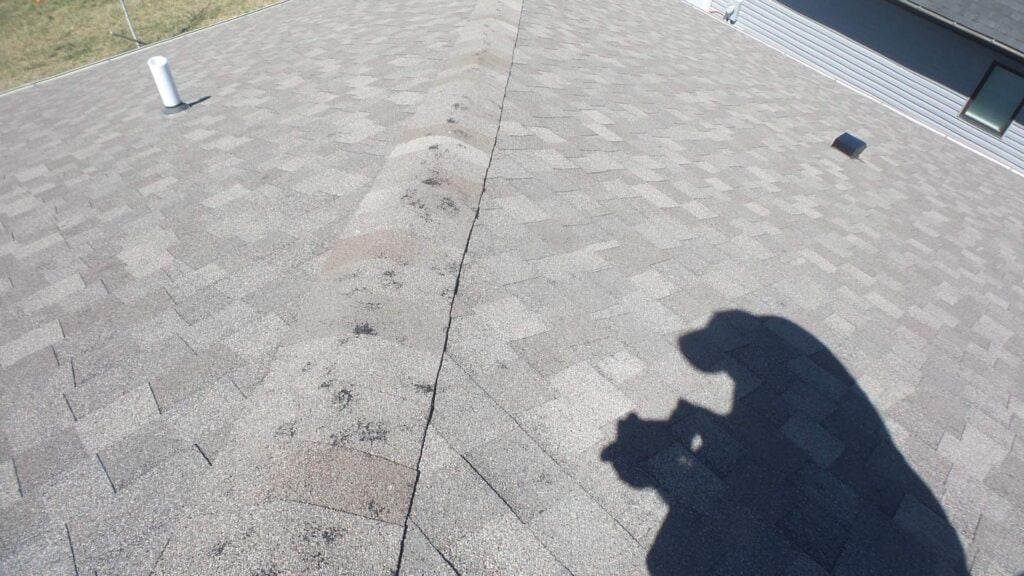
That is one reason impact resistance matters. Malarkey’s Highlander shingles carry a UL 2218 Class 3 impact rating, while Malarkey Vista shingles carry a UL 2218 Class 4 impact rating, which is the highest rating in that test standard. Malarkey also states that Vista shingles are built with NEX Rubberized Asphalt and are designed for all-weather resilience. For homeowners in Nebraska, those details are more than marketing language. They speak directly to how a roof may perform when the next hailstorm rolls across the neighborhood.
A quality roofing system is about more than just the shingle itself, though. It is about proper installation, correct fastening, ventilation, flashing, and making sure the full roofing system is built to perform together. Even the best product can underperform if the installation details are sloppy. That is why homeowners should not just ask what brand is being used. They should ask how the roof is being installed, what accessories are included, and whether the contractor understands storm-related damage assessment and proper repair methods.
Hail Damage to Siding: Often Overlooked, Still Expensive
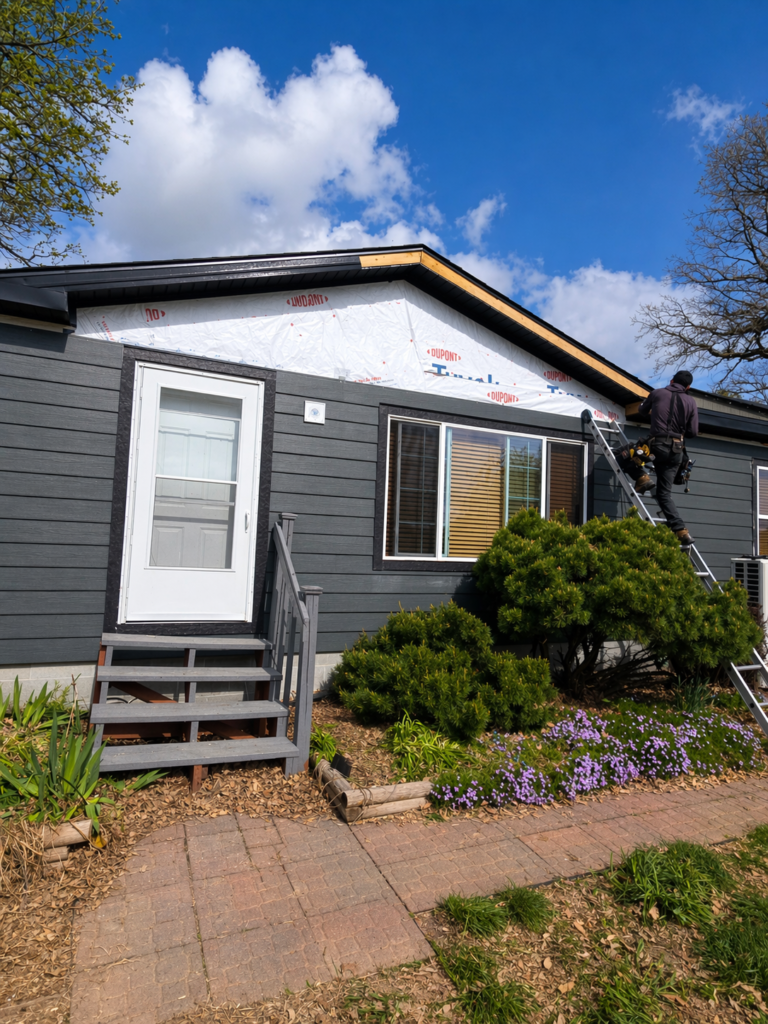
Roof damage usually gets the most attention after a storm, but siding can be just as important. Hail can crack vinyl, chip painted finishes, distort profiles, and damage trim, corners, and accessory pieces. On some homes, siding damage may be obvious right away. On others, it may show up as small fractures, surface pitting, or failures around more vulnerable sections of the wall.
That is why many homeowners in Nebraska are taking a closer look at premium siding options when repairing or remodeling after storm damage. James Hardie fiber cement siding is popular in part because it is engineered for climate performance and is designed to resist damage from moisture, rot, hail, and windblown debris. James Hardie also states that its fiber cement products are noncombustible cladding when tested to ASTM E136, which adds another layer of performance value beyond appearance alone.
For homeowners comparing siding options after a claim, durability should be part of the conversation, not just color and curb appeal. Nebraska homes need products that can stand up to real weather exposure. That means looking at the wall system as a whole: siding, trim, moisture management details, flashing, and installation workmanship. A beautiful exterior only stays beautiful when it is built to handle the environment it lives in.
When a Premium Roof Makes Sense: DaVinci Roofscapes
Some Nebraska homeowners want more than a standard replacement. They want a roof system with elevated appearance, long-term durability, and stronger resistance to severe weather. That is where DaVinci Roofscapes often enters the conversation.
DaVinci markets its composite slate and shake roofing products as lightweight, impact-resistant alternatives to natural materials. The company states that its roofing products carry a Class 4 impact rating, a Class A fire rating, and 110 mph straight-line wind rating. For homeowners who love the look of natural cedar shake or slate but want modern durability and lower maintenance, that can be a compelling option.
In storm-prone areas, premium roofing is often about more than aesthetics. It is about making a better long-term investment in the home. A roof that offers stronger impact resistance and holds its appearance over time may make more sense for homeowners who plan to stay in their house, want to protect a high-end exterior, or are rebuilding after repeated storm exposure.
Why Product Quality Matters After a Storm
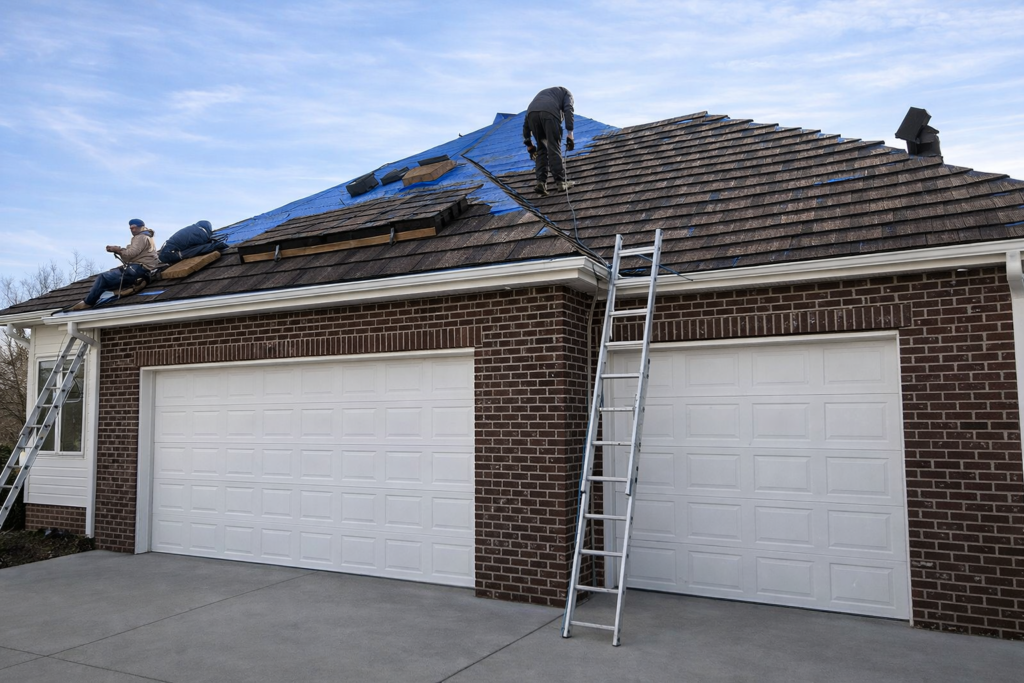
One of the biggest mistakes homeowners make after hail season is treating the repair like a race to get the cheapest number. Storm restoration decisions can affect a home for decades. The product you choose today will influence curb appeal, maintenance needs, weather resistance, and resale value long after the insurance claim is closed.
Better products are often built for stronger performance. Malarkey highlights enhanced impact options and asphalt technology for weather resilience. James Hardie emphasizes durability against moisture, hail, and debris while offering a noncombustible cladding option. DaVinci positions its composite systems as premium, impact-resistant alternatives to natural materials. Those distinctions matter in a place like Nebraska, where exterior products are expected to handle hail, wind, sun, freeze-thaw cycles, and seasonal swings year after year.
Choosing quality does not always mean choosing the most expensive option. It means choosing the right system for the home, the neighborhood, the budget, and the weather exposure. A good contractor helps guide that conversation honestly.
Why Using a Local Contractor Matters
After a major hailstorm, it is common for out-of-town companies to flood neighborhoods with promises, quick inspections, and fast contracts. Some may do decent work, but many will not be around if problems surface later. That is where a trusted local contractor has a major advantage.
A local contractor understands Nebraska weather patterns, local building expectations, regional product preferences, and the realities of storm restoration in this market. They are also easier to reach if questions come up during the claim, installation, or warranty period. When your contractor has roots in the community, their reputation matters. They have to stand behind their work because they live and do business where you do.
Local experience also matters during the inspection and repair process. Storm damage is not always limited to shingles. It can involve siding, fascia, gutters, flashing, trim, and hidden problem areas that need to be addressed as part of a complete exterior repair. A knowledgeable local contractor is more likely to evaluate the full system instead of just selling a quick roof replacement.
What Homeowners Should Do After a Nebraska Hailstorm
If your home has been through a recent hailstorm, the best first step is a professional exterior inspection. Do not assume that everything is fine just because there is no leak today. Many storm-related issues take time to show themselves.
A good inspection should look at the roofing, siding, gutters, soft metals, flashing details, and overall exterior condition. From there, homeowners can make informed decisions about repairs, product upgrades, and next steps. In many cases, this is also the right time to consider whether replacing with a more storm-resistant roofing or siding product makes sense for the long term.
Final Thoughts
Nebraska storm season and hail damage is part of life in the Midwest, but repeated hail and wind damage do not have to keep homeowners in a cycle of patchwork repairs and short-term decisions. The right approach is to understand the damage, choose products designed to perform, and work with a trusted local contractor who knows how to restore a home the right way.
Whether that means installing Malarkey shingles for stronger impact performance, upgrading to James Hardie siding for durable exterior protection, or investing in a premium DaVinci Roofscapes system, the goal should always be the same: protect the home from Nebraska storm season and hail damage, preserve its value, and make smart decisions that hold up in Nebraska weather.

 10 minutes read
GO BIG RED!
Think Your Home Was Hit? Start With a Professional Storm Damage Inspection
If your home was hit by hail or high wind in Nebraska, KO Roofing & Storm Repair can inspect your roofing, siding, and exterior for storm-related damage. Contact our team to schedule an inspection and learn about your repair options.
Schedule Your Free Storm Damage Inspection